Course Overview:
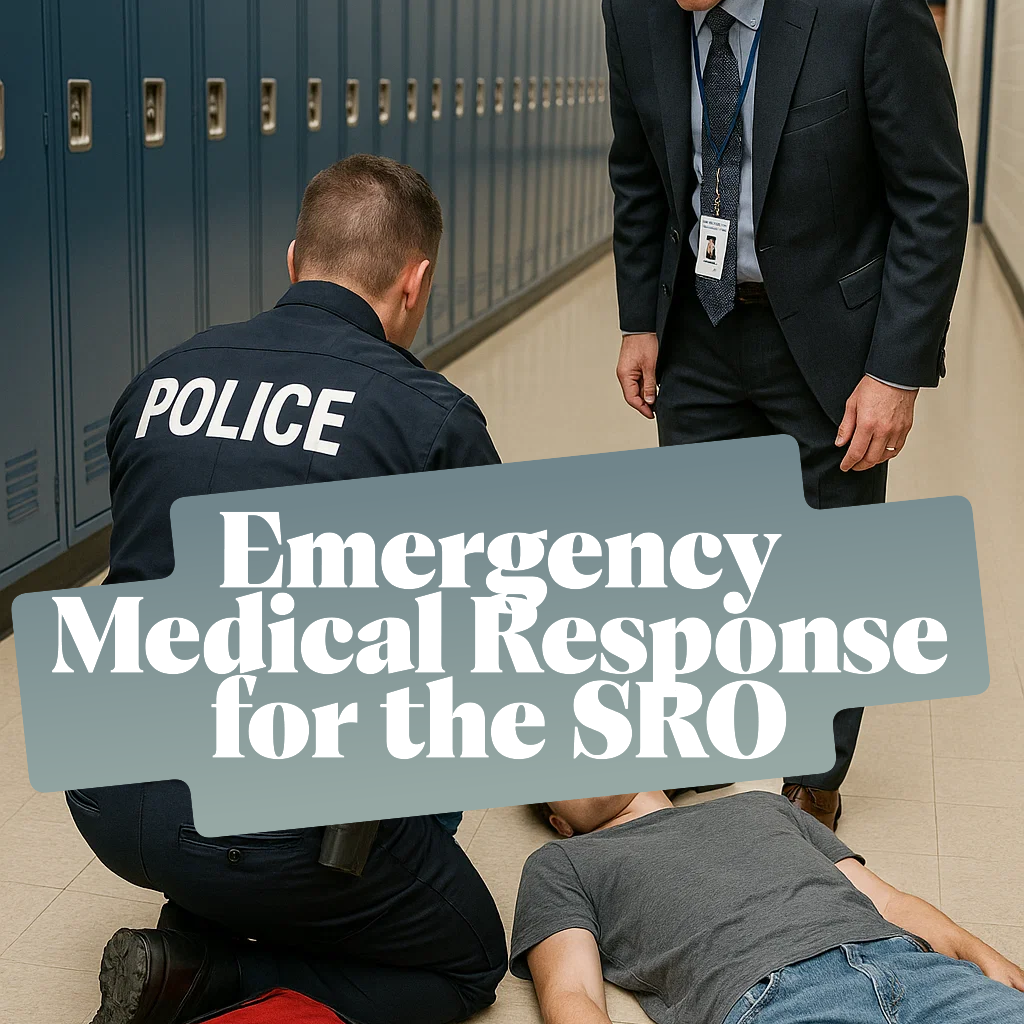
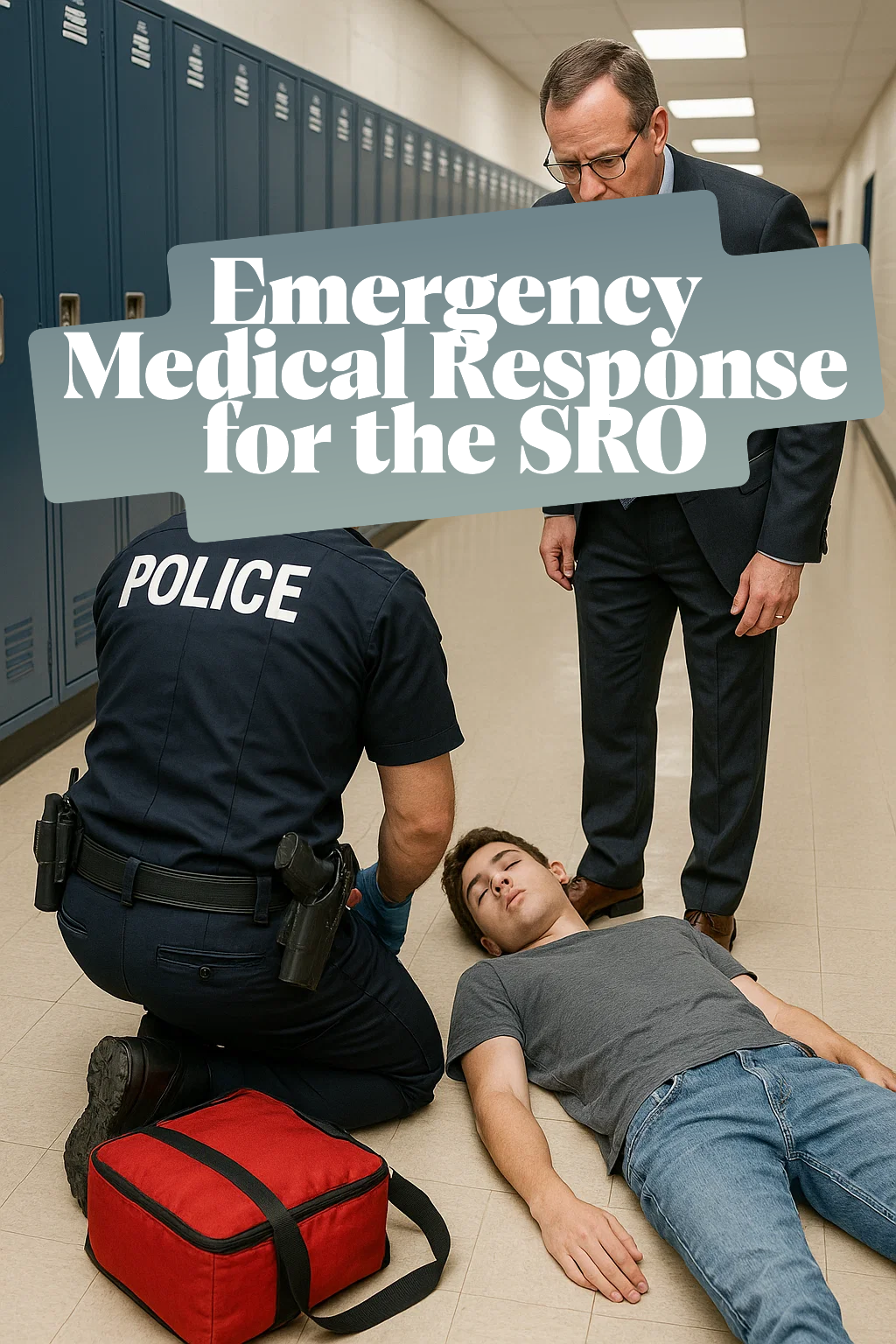
"Emergency Medical Response for School Resource Officers" is an intensive, one-day training designed to equip SROs with the essential skills and knowledge to effectively respond to medical emergencies in and outside of the the school setting. Led by experienced emergency medical professionals and law enforcement trainers, this course covers the fundamentals of emergency medical care and the major life-saving processes every Police Officer must know. Participants will engage in both classroom instruction and practical exercises to build a solid foundation for providing immediate care during critical incidents to include Bleeding control , CPR (abbreviated) , AED, Choking Prevention, and Narcan use.
Key Topics Covered:
Basic Life Support (BLS abbreviated): Learn CPR techniques, including the use of Automated External Defibrillators (AEDs), tailored for police environments.
Bleeding Control: Learn techniques for bleeding control to include tourniquet application, wound packing, chest seals, pressure dressing and more.
First Aid Essentials: Understand how to manage common injuries and medical conditions encountered in schools, such as bleeding, fractures, and allergic reactions.
LifeVac Anti-Choking Device: Training will teach the use of the LifeVac device for preservation of life.
Emergency Medical Protocols: Stop the Bleed training will focus on preserving life through bleeding control.
Overdose Reversal: Narcan use for reversing the effects of an overdose and the considerations for SROs when providing O.D. medical assistance.
Collaboration with Emergency Services: Learn effective communication and coordination strategies with EMS and other emergency responders.
Course Overview:
"Emergency Medical Response for School Resource Officers" is an intensive, one-day training designed to equip SROs with the essential skills and knowledge to effectively respond to medical emergencies in and outside of the the school setting. Led by experienced emergency medical professionals and law enforcement trainers, this course covers the fundamentals of emergency medical care and the major life-saving processes every Police Officer must know. Participants will engage in both classroom instruction and practical exercises to build a solid foundation for providing immediate care during critical incidents to include Bleeding control , CPR (abbreviated) , AED, Choking Prevention, and Narcan use.
Key Topics Covered:
Basic Life Support (BLS abbreviated): Learn CPR techniques, including the use of Automated External Defibrillators (AEDs), tailored for police environments.
Bleeding Control: Learn techniques for bleeding control to include tourniquet application, wound packing, chest seals, pressure dressing and more.
First Aid Essentials: Understand how to manage common injuries and medical conditions encountered in schools, such as bleeding, fractures, and allergic reactions.
LifeVac Anti-Choking Device: Training will teach the use of the LifeVac device for preservation of life.
Emergency Medical Protocols: Stop the Bleed training will focus on preserving life through bleeding control.
Overdose Reversal: Narcan use for reversing the effects of an overdose and the considerations for SROs when providing O.D. medical assistance.
Collaboration with Emergency Services: Learn effective communication and coordination strategies with EMS and other emergency responders.